
Ahh, barrels.
By Dan Sogg
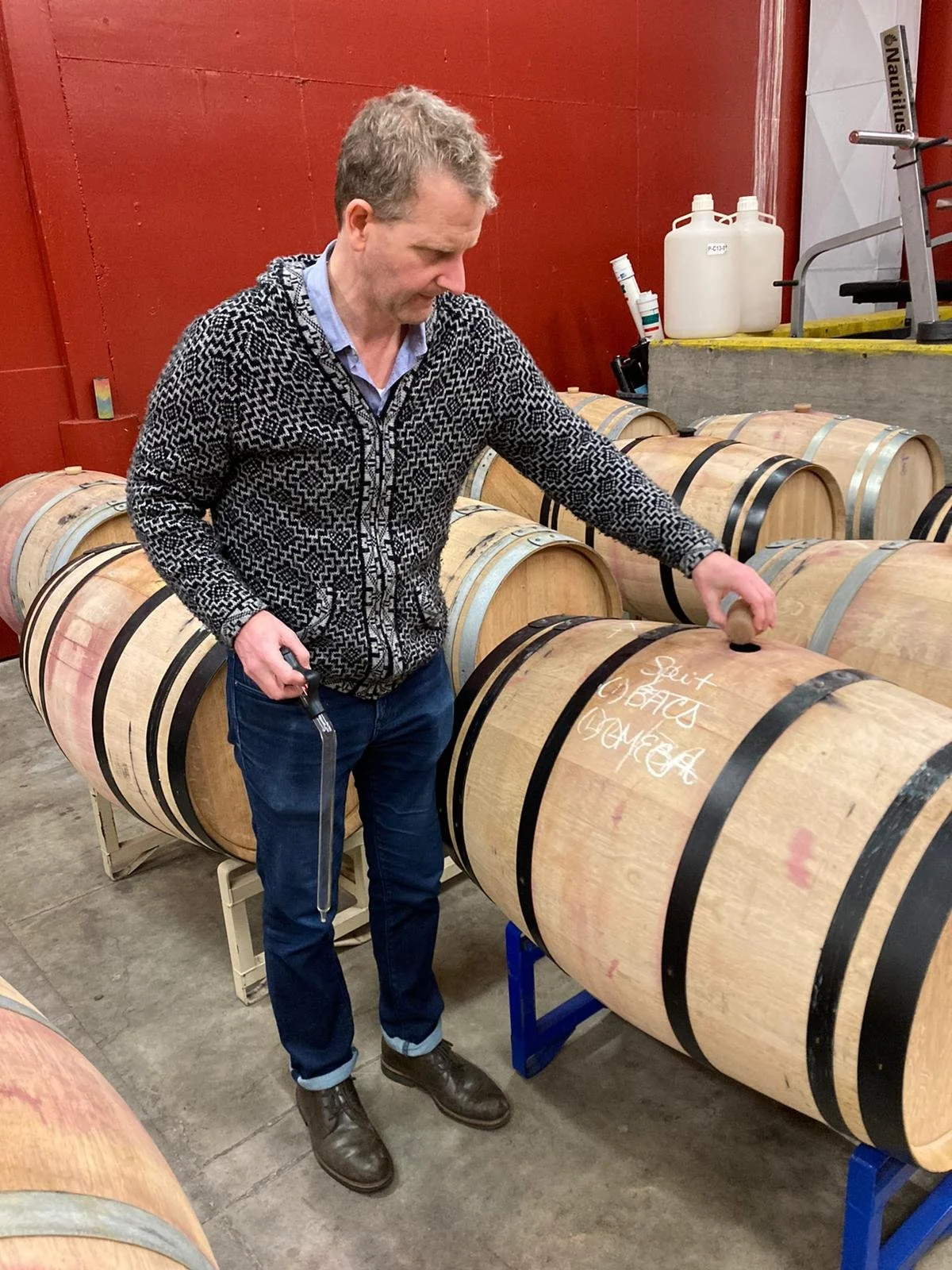
We hear so much about oak barrels, the key role they play in so many cellars. Freshly fermented, ungainly young wines go in; polished, ready-to-be-poured, nearly finished products come out. Almost like magic, right?
Not exactly. Sure, there is much we cannot explain about the development of wine in wood, but the truth is not quite so romantic as magic. More complex, yes, and, to my mind, more interesting.
For the last seventeen years, I’ve been responsible for U.S. sales for Tonnellerie Cavin, a high-end French cooperage based in Burgundy. Work has taken me to cellars in California, Washington State, Oregon, France, Germany and Italy. I’ve tasted more wine out of more barrels than I can recall. This experience shapes our winemaking at Foolhardy.
First, I’d emphasize that barrels are a tool, one of the best at the disposal of a winemaker. If judiciously selected, and properly made, a barrel can be both highlighter and makeup, emphasizing specific features of a wine while perhaps minimizing or concealing those facets the producer doesn’t want.
Every barrel is a product of wood, toast and the cooper’s skill. The finest barrel wood in the world, preferred by the most winemakers, comes from France. That’s not to say that French oak forests are intrinsically superior to Austrian, Eastern European or even American (though American oak is a different species than the best of Europe).
But coopers in France have been working a long time (think centuries) with oak from their local forests. In 1670, Colbert, Louis XIV’s minister of finance, nationalized some forests because they produced exceptionally tall, straight trees, ideal for the construction of warships (an essential national resource given the constant wars with les anglais and their pesky navy). And while major French naval victories against the English were infrequent, Colbert’s preservation of the forests has proved invaluable for winemakers around the world.
Names of some of the forests might be familiar: Allier, Tronçais, Vosges, Chatillonnais… Each imparts a distinctive range of flavors and textures. There’s no “right” answer, it’s just about different.
Then there are the many toast options: light, medium, heavy, deep light, etc. Staves must be bent into the shape of a barrel, and traditionally this is done over fire. The flame can be small or large and the process can be quick (twenty-five minutes) or long (ninety-plus minutes). Higher flame toasts give more overt flavors, while lighter toasts with modest flame are more transparent, producing barrels that impart texture rather than flavor.
In one respect, at least, barrel making is much like winemaking, in that the human factor is key. Often, I’ll enjoy different grape varieties and vineyards from a specific producer. Their style aligns with my taste. It’s the same for barrel makers; yes, the oak selection and toast have a major impact, but the skill and sensibility of the craftsman sets the tone.
At Foolhardy, as we put together our blends (and even our single-vineyard wines are blends from different barrels), wood is key. We like a judicious mix of new wood—with more pronounced flavor and texture—and older wood, which grows progressively neutral. New wood can impart so much that we like to a young wine, but it often takes time to properly integrate. Our 2017 Foolhardy Cabernet Sauvignon is a case in point; it was made with forty-four percent new wood, which has integrated beautifully over the last seven years in bottle. We’ve never liked this wine more, and at least some of its quality today results from the seamless integration of the new oak.
Foolhardy wines always get better in bottle. So much of what makes an older, barrel-aged wine beautiful is a result of how the oak shapes the aging process. We can’t tell you precisely what’s happening to these wines in bottle (and are skeptical of vintners’ claims to know), but we can recognize the results.
Sometimes, it almost seems like magic.